

Introduction
In the rapidly evolving world of cryptocurrency, security remains one of the most critical concerns for investors and traders. With billions of dollars stored in digital assets across various blockchains, protecting those assets from hackers, phishing attacks, and exchange failures has become essential. Hardware wallets have emerged as one of the most secure methods for storing cryptocurrency, and among the leading names in this industry is Ledger.
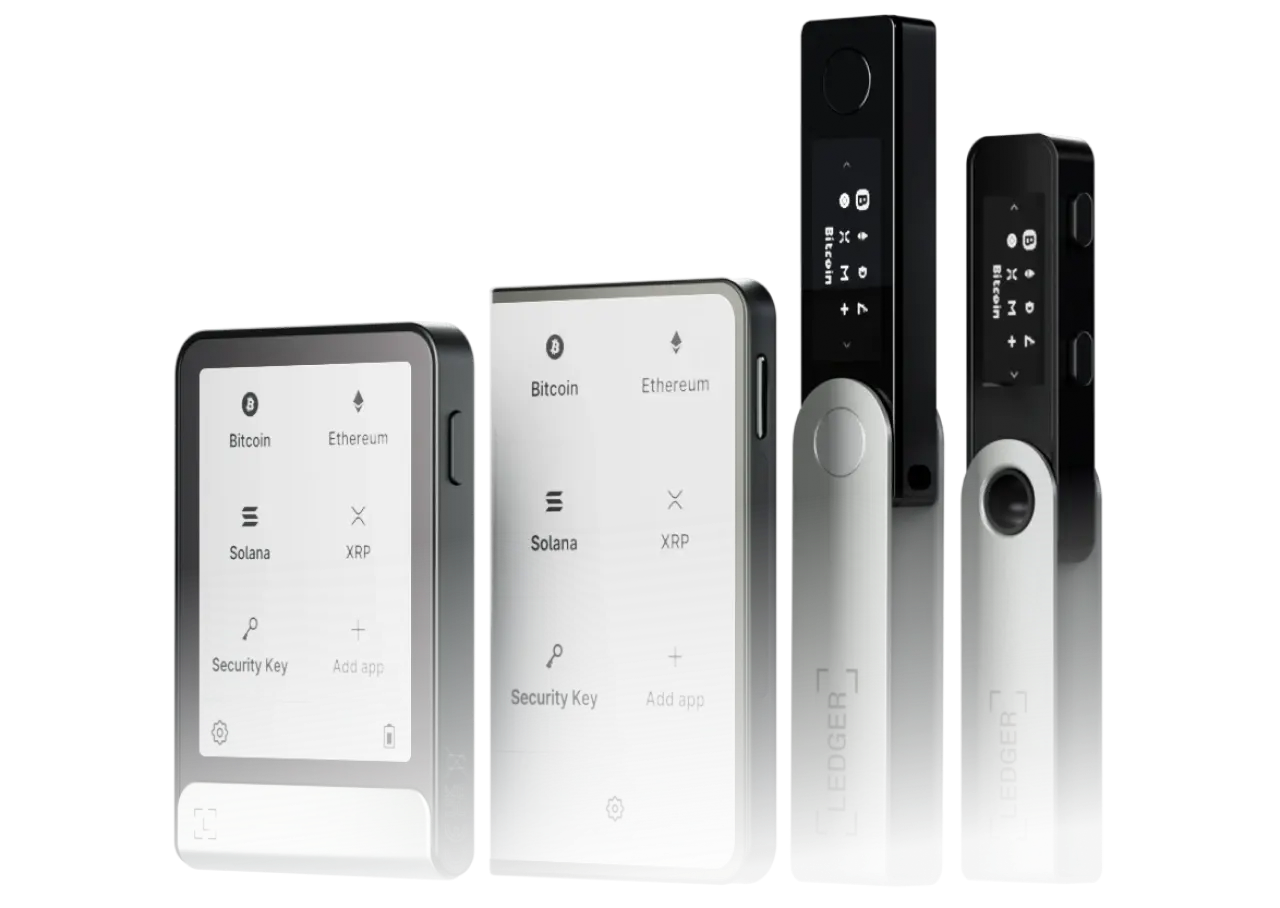
Ledger.com is the official website of Ledger, a French company specializing in hardware wallets and digital asset security solutions. Founded in 2014, Ledger has become one of the most trusted brands in the crypto security industry. Their hardware wallets — particularly the Ledger Nano S Plus and Ledger Nano X — are widely used by individuals and institutions to securely store cryptocurrencies offline.
This review provides an in-depth look at Ledger.com, covering its products, features, security architecture, supported cryptocurrencies, user experience, pricing, pros and cons, and overall reliability. Whether you’re a beginner entering the crypto world or an experienced investor looking for robust cold storage, this review will help you determine if Ledger is the right choice.
Overview of Ledger.com
Ledger.com is the official platform where users can purchase Ledger hardware wallets, download Ledger Live software, manage crypto assets, and learn about digital security.
The website functions as both an e-commerce platform and a knowledge hub for crypto security.
Key functions of Ledger.com include:
-
Purchasing official Ledger hardware wallets
-
Downloading Ledger Live software
-
Accessing educational resources
-
Managing firmware updates
-
Customer support and troubleshooting
-
Security alerts and best practices
The site is cleanly designed, easy to navigate, and available in multiple languages. Ledger emphasizes security education heavily, warning users about phishing attacks and encouraging purchases only through official channels.
Ledger Company Background
Ledger is a Paris-based cryptocurrency security company founded by Éric Larchevêque, Thomas France, and Nicolas Bacca. The company quickly gained recognition for developing secure hardware wallets designed to protect private keys offline.
Ledger combines expertise in embedded security, cryptography, and blockchain technology.
Over the years, the company has achieved several major milestones:
-
Sold over 6 million hardware wallets worldwide
-
Supports 5,000+ cryptocurrencies and tokens
-
Serves users in 200+ countries
-
Built partnerships with major blockchain projects
-
Developed a proprietary Secure Element chip architecture
Ledger’s mission is simple: enable individuals and companies to securely own and manage their digital assets.
Ledger Hardware Wallets
Ledger offers several hardware wallet models, but two dominate the market today.
Ledger Nano S Plus
The Ledger Nano S Plus is the entry-level hardware wallet designed for users who want strong security at a lower cost.
Key features:
-
USB connection
-
Supports 5,000+ coins and tokens
-
Secure Element chip
-
Large memory for multiple apps
-
Compatible with Ledger Live
-
Backup recovery phrase
Compared to the original Nano S, the Nano S Plus offers significantly improved storage capacity, allowing users to install many more crypto apps simultaneously.
It is ideal for long-term investors who store assets offline and do not require Bluetooth connectivity.
Ledger Nano X
The Ledger Nano X is Ledger’s premium hardware wallet.
Key features include:
-
Bluetooth connectivity
-
Mobile compatibility
-
Rechargeable battery
-
Large screen
-
Supports thousands of cryptocurrencies
-
Secure Element chip
The Nano X is designed for users who want the convenience of managing crypto assets from their smartphone while maintaining cold storage security.
The Bluetooth functionality is encrypted and does not expose private keys to the internet.
Ledger Live Software
Ledger hardware wallets are used together with Ledger Live, the official companion application available for desktop and mobile.
Ledger Live allows users to:
-
Manage crypto portfolios
-
Install apps on the hardware wallet
-
Send and receive cryptocurrencies
-
Stake supported assets
-
Buy and sell crypto through integrated partners
-
Swap tokens
-
Track real-time prices
The interface is modern and beginner-friendly while still offering advanced features.
Ledger Live essentially functions as the control center for the hardware wallet.
Importantly, private keys never leave the hardware device, even when using Ledger Live.
Security Architecture
Security is the foundation of Ledger’s reputation.
Ledger hardware wallets use a Secure Element chip, similar to the technology used in credit cards and passports.
Key security features include:
1. Secure Element (SE)
The Secure Element isolates private keys from external access. Even if the connected computer is compromised by malware, the private keys remain protected.
Ledger’s Secure Element chips are certified under Common Criteria EAL5+, a high level of security certification.
2. Offline Private Keys
Private keys are generated and stored entirely offline on the device.
They never leave the wallet and cannot be extracted.
3. PIN Protection
Users must enter a PIN code to unlock the device.
After multiple incorrect attempts, the wallet automatically resets.
4. Recovery Phrase
During setup, users receive a 24-word recovery phrase.
This phrase acts as a backup that can restore access to funds if the hardware wallet is lost or damaged.
Ledger strongly emphasizes that this phrase should never be shared or stored digitally.
5. Transaction Verification
Every transaction must be physically confirmed on the device by pressing buttons.
This prevents malware from executing unauthorized transfers.
Supported Cryptocurrencies
One of Ledger’s biggest strengths is the number of supported assets.
Ledger wallets support 5,000+ coins and tokens, including major blockchains and thousands of ERC-20 tokens.
Popular supported cryptocurrencies include:
-
Bitcoin (BTC)
-
Ethereum (ETH)
-
Binance Coin (BNB)
-
Solana (SOL)
-
Cardano (ADA)
-
XRP
-
Dogecoin (DOGE)
-
Polygon (MATIC)
-
Avalanche (AVAX)
-
Litecoin (LTC)
Additionally, Ledger integrates with many third-party wallets such as MetaMask, allowing users to interact with decentralized finance (DeFi), NFTs, and Web3 platforms.
Ledger Staking Features
Ledger Live allows users to stake certain cryptocurrencies directly from the wallet.
Supported staking assets include:
-
Ethereum
-
Polkadot
-
Solana
-
Tezos
-
Cosmos
-
Tron
Staking allows users to earn passive rewards while maintaining custody of their assets.
This feature has become increasingly popular as investors seek yield opportunities without moving funds to centralized exchanges.
NFT Support
Ledger wallets also support NFT storage and management, particularly on Ethereum and Polygon.
Users can connect Ledger to platforms like:
-
OpenSea
-
MetaMask
-
Rainbow Wallet
This ensures NFT ownership remains protected by the hardware wallet.
Given the rise of NFT theft through phishing attacks, hardware wallet protection is especially valuable.
Ledger.com User Experience
Ledger.com is designed with both beginners and experienced crypto users in mind.
The website features several helpful sections:
Product Pages
Clear comparisons between Ledger hardware wallets.
Learn Section
Educational articles explaining crypto security, scams, and wallet management.
Support Center
Step-by-step guides, FAQs, and troubleshooting resources.
Security Alerts
Ledger frequently publishes warnings about phishing attacks and fake websites.
Overall, the site is professional, informative, and easy to navigate.
Pricing
Ledger hardware wallets are relatively affordable considering the level of security they provide.
Typical pricing:
| Product | Price |
|---|---|
| Ledger Nano S Plus | around $79 |
| Ledger Nano X | around $149 |
Occasionally, Ledger offers bundles or discounts.
Compared to the potential loss from a crypto hack, these prices are relatively low.
Pros and Cons
Pros
Strong industry reputation
Secure Element hardware security
Supports thousands of cryptocurrencies
Ledger Live software is powerful and user-friendly
Mobile compatibility with Nano X
Regular firmware updates
Large global user base
Cons
Hardware wallet must be purchased
Ledger Live relies on third-party partners for some services
Past marketing database breach (2020) affected customer emails
Learning curve for beginners
Ledger Security Incident (2020 Data Leak)
In 2020, Ledger experienced a marketing database breach that exposed customer email addresses and some personal data.
Importantly:
-
Hardware wallets were not compromised
-
Private keys were never affected
-
Only marketing and e-commerce data was exposed
Since then, Ledger has significantly improved security infrastructure and transparency regarding incident response.
Ledger vs Other Hardware Wallets
The main competitor to Ledger is Trezor.
Ledger Advantages
-
Secure Element chip
-
Larger crypto support
-
Bluetooth support (Nano X)
-
Better mobile integration
Trezor Advantages
-
Fully open-source firmware
-
Larger screen on some models
-
Strong community transparency
Both wallets are considered highly secure, but Ledger tends to appeal more to users who want maximum asset support and mobile convenience.
Who Should Use Ledger?
Ledger hardware wallets are ideal for:
-
Long-term crypto investors
-
Users holding large amounts of crypto
-
DeFi participants
-
NFT collectors
-
Institutional asset managers
If you store cryptocurrency on exchanges, a hardware wallet like Ledger dramatically improves security.
Customer Support
Ledger provides several support channels:
-
Online knowledge base
-
Help center articles
-
Support ticket system
-
Community forums
-
Security announcements
However, Ledger does not offer phone support, which is common among crypto companies due to security concerns.
Is Ledger Safe?
Ledger is widely considered one of the most secure hardware wallet providers in the world.
The combination of:
-
Secure Element hardware
-
Offline key storage
-
Physical transaction confirmation
-
Recovery phrase backup
makes it extremely difficult for attackers to compromise funds.
Most losses involving hardware wallets occur due to user mistakes, such as sharing the recovery phrase.
Final Verdict
Ledger.com is a trusted platform offering some of the most secure hardware wallets available today. With millions of users worldwide, strong security architecture, and support for thousands of cryptocurrencies, Ledger remains a top choice for anyone serious about protecting their digital assets.
While no system is completely risk-free, Ledger’s approach to hardware security, combined with its continuously improving software ecosystem, provides one of the safest ways to store cryptocurrency.
For investors seeking reliable cold storage, the Ledger Nano S Plus and Ledger Nano X remain among the best hardware wallets available in 2026.